Gardening Services in Hackney
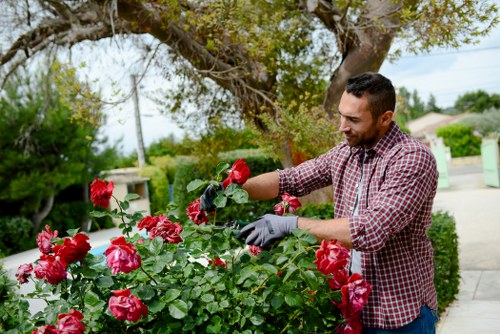
Gardening Services Hackney provides practical garden care and outdoor maintenance for homes and managed properties, with work shaped around the condition of each space rather than a one-size-fits-all routine. We cover regular upkeep, one-off tidy-ups, and more involved improvements where borders, lawns, hedges and overgrown corners all need attention. The aim is straightforward: keep outdoor areas neat, usable and manageable through clear, consistent gardening work that suits the site.
Our service can include lawn mowing, hedge trimming, garden clearance, planting support, and broader landscape gardening where a space needs reorganising as well as maintaining. Different gardens call for different levels of intervention, so we treat each visit as a chance to focus on the right tasks in the right order. If you are comparing options, start with the work that will make the biggest visible difference, then add the finer details later.
When you are ready to move ahead, you can request a quotation in plain terms and use it to decide what should happen first. If your garden needs a reset before ongoing care begins, that is often the most useful place to start. Pricing and quotations can also help you understand how the scope of work is usually put together before you enquire.
Regular garden maintenance
Routine maintenance is often the simplest way to keep a garden under control through the year. That may mean keeping grass at a sensible length, preventing edging from losing shape, and dealing with growth before it becomes difficult to manage. For some properties, maintenance is about preserving an established look; for others, it is about keeping on top of a garden that already has good structure but needs regular attention to stay presentable.
We can combine several ongoing tasks into a practical maintenance visit, especially where borders, paths and lawn areas all need different treatment. A maintenance plan usually works best when the same key areas are reviewed each time, so the garden does not drift between visits. A simple instruction can be enough to begin with: identify the areas that matter most, then build the visit around them. If you want to outline those priorities now, our services overview gives a useful starting point.
Regular care also makes it easier to spot changes in the garden before they become more time-consuming. For example, uneven grass growth, climbing hedge lines, and seasonal build-up in beds can all be managed more predictably when they are handled as part of a repeated routine. Good maintenance is not only about appearance; it also helps the layout remain usable, safe and easier to keep tidy between visits.
Garden clearance and overgrown spaces

Garden clearance is the right choice when a space has become too crowded, untidy or difficult to use in its current state. This might involve removing accumulated cuttings, tackling dense growth, clearing neglected sections, or restoring access to paths and boundaries. A clear-out can also be the first stage before other work begins, especially where plants, waste and heavy growth are making it hard to see the shape of the garden properly.
For more substantial clearances, it helps to break the work down into what needs removing, what should remain, and which areas need care rather than removal. That approach keeps the result balanced instead of stripping out everything at once. If you are preparing a quotation request, a simple list of the main areas to be cleared is useful, but detailed preparation is not essential at the first stage. Garden clearance is the most relevant page if you want to focus on this type of work.
Once the obvious clutter is removed, it becomes much easier to decide whether the next step should be maintenance, hedge work, lawn recovery or broader landscaping. In that sense, clearance is often a practical reset rather than an end in itself. It helps the garden become readable again, which makes later decisions more straightforward and often produces a better final result.
Hedges, edges and controlled growth
Hedge trimming and general shape control can make a large difference to how a garden looks and feels. Hedges may need routine reduction to stay within their intended line, while softer boundary planting may need lighter, selective cutting to keep it neat without damaging the form. Edges and transitions also matter: a tidy hedge paired with ragged borders can still look unfinished, so the surrounding detail is important.
We approach this kind of work with the specific plant structure in mind. Some hedges respond well to regular trimming, while others need more careful shaping so they continue to thicken and hold their outline. The same applies to overhanging growth near fences, walkways or seating areas. Hedge trimming is a good fit where the main need is controlled reduction rather than general garden clearance.
Good cutting practice also supports the long-term appearance of the garden. Trimming at the right level and in the right places helps avoid uneven regrowth, and it keeps the boundary line easier to manage next time. Neat edges, consistent cuts and sensible timing are often what separate a quick tidy-up from a more lasting finish. For many properties, that detail is what gives the whole garden a more settled look.
Lawns, turf and visible finish
Lawns are one of the most noticeable parts of a garden, and they often set the tone for the whole space. Lawn mowing is not simply about shortening grass; it is about keeping the surface even, preventing the area from looking neglected, and making the rest of the garden easier to maintain. The amount of work needed depends on the grass condition, the size of the lawn and whether edges, corners and access points also need attention.
Where a lawn has become patchy, uneven or overwhelmed by surrounding growth, the work may need to be coordinated with trimming and clearance so the result is more balanced. In some gardens, mowing is the main task; in others, it is only one part of restoring order across the whole site. If you want a service page focused on this core task, lawn mowing is the most direct place to look.
A good finish depends on more than the central cut. Borders, pathways and transition points around sheds, fences and planting beds all influence whether the lawn looks properly maintained. That is why we pay attention to the surrounding details as well as the grass itself. A tidy lawn gives the rest of the garden a clearer frame, which can make even simple outdoor spaces feel more deliberate and cared for.
Landscape gardening and garden redesign

Some gardens need more than routine care. Landscape gardening is the stage where layout, planting structure and usable space are considered together, so the garden works better as a whole. That may involve refreshing tired areas, reshaping planting zones, improving circulation, or combining hard and soft elements so the garden feels more coherent. It is a useful option when the outdoor space has good potential but lacks a clear structure.
This kind of work is usually most effective when decisions are made from the existing conditions of the site. Sun, shade, soil condition, access and available space all influence which changes are sensible. We can help with practical improvements that make the garden easier to use and maintain, rather than forcing a design that does not fit the setting. Landscape gardening covers that broader planning and improvement work.
Where a garden needs a more complete update, landscaping can sit alongside ongoing maintenance rather than replacing it. That means a redesigned space can still be kept under control once the main changes are complete. A well-structured garden should look intentional without becoming difficult to look after. The balance between appearance and manageability is often what makes landscaping worthwhile in the first place.
Planning the right scope of work
For most enquiries, the most useful starting point is a clear idea of what the garden needs now, not a perfect plan. If grass is the main issue, that points toward mowing or maintenance. If the space is blocked by growth and old material, clearance may be the priority. If the layout itself feels unfocused, landscape gardening may be more suitable. Matching the task to the condition of the site helps the quotation reflect the real work involved.
When describing the job, it helps to mention the areas you want covered and the result you are hoping to achieve. Photographs can be useful if you have them, especially where access points, larger beds or heavily overgrown sections need to be assessed carefully. You do not need to write a long explanation, but a few concise details often make the first conversation easier. About us offers more background on the business, while the next step is simply to request a quote for the specific garden work you need.
- Identify the main task: maintenance, clearance, hedge work, lawn care or landscaping.
- Note any access limits, narrow paths or areas that need special attention.
- Include the parts of the garden that matter most to you, such as front, back or side spaces.
Materials, waste and the practical side of garden work
Some gardening jobs generate waste material that needs collecting and removing, while others mainly involve cutting, shaping and tidying the space. The practical side matters because a neat result depends on more than the visible work. Cuttings, branches, lifted debris and cleared growth all have to be dealt with in a sensible way so the garden is left usable afterwards. This is especially important after clearance or heavier hedge work.
Different tasks also create different levels of disruption. A light maintenance visit may be straightforward, while a larger clearance or redesign may require more time and a more structured sequence of work. We plan the job so the most important areas are handled first, then the finish is refined. Recycling and sustainability is relevant if you want to understand the way garden material is approached after removal.
Small details can change the whole finish: swept paths, defined edges and properly handled cut material all contribute to a cleaner result. That is why a garden job is not only about what is cut down or cleared away. It is also about leaving the space in a state where it can be used, maintained and improved without the same immediate problems returning at once.
About Hackney
Hackney is a borough in east London with a varied urban character shaped by centuries of change. It includes long-established residential streets, newer developments, warehouse conversions, parks and busy shopping corridors, and its local identity is closely tied to the mix of old and new built form. The area takes in places such as Hackney Central, Dalston, Homerton, Stoke Newington and parts of London Fields, each with its own atmosphere and street pattern. Much of Hackney’s growth accelerated in the nineteenth century as London expanded eastward, with rail and later Underground connections reinforcing its role as a densely inhabited part of the capital. The borough also contains numerous conservation areas and a wide range of architectural styles, from Georgian terraces and Victorian housing to modern infill and repurposed industrial buildings. Green spaces are an important part of the local landscape, including Victoria Park, one of London’s best-known public parks, and the channels and waterways associated with the Regent’s Canal and the River Lea. The borough’s cultural life is equally varied, with markets, music venues, galleries, small businesses and community spaces contributing to a lively street environment. Hackney’s streets often combine everyday residential use with active commercial frontage, so the area can feel both local and metropolitan at the same time. That layered quality is one reason it remains visually interesting: a short walk may pass from dense housing estates to tree-lined squares, from restored industrial buildings to pocket parks and town-centre roads. Its history, architecture and public spaces all play a part in that character, giving the borough a strong sense of place within inner London.
After a garden has been cleared or improved, the remaining work usually benefits from a straightforward follow-up routine. That may mean keeping growth in check, maintaining the shape of hedges, or returning to the lawn before it becomes uneven again. The best results often come from treating the garden as a living space that needs occasional adjustment, rather than a one-time overhaul. If the existing layout is already working, regular attention can preserve it without major intervention. If the space is more complicated, a sequence of targeted tasks is often easier than trying to solve everything at once. That is why a clear, practical request usually leads to a better quotation: it helps separate immediate priorities from work that can wait. Request a quotation when you are ready to outline what the garden needs.
There are also times when a small change makes the biggest difference. A neglected edge, a hedge line that has grown too far, or a lawn that has lost its shape can all alter how the whole garden feels. Addressing those visible points first often gives the rest of the space a stronger foundation. From there, any broader improvement can be phased sensibly, with the most useful work handled before the finer finishing touches.
Getting a quotation for your garden

When you ask for a quotation, the most helpful information is a plain description of the work you want done and the main parts of the garden involved. It is useful to state whether the job is regular maintenance, a clearance, hedge trimming, lawn care or a broader landscaping task. If you have several needs at once, list them in order of priority so the quotation can reflect the likely sequence of work rather than treating every item as equal.
Cost usually depends on the size of the space, how much growth or debris is present, and whether the work needs to be handled as a single visit or as part of a larger improvement. Access, complexity and the level of finishing also affect the scope. We can work from a short description, and extra detail is welcome if it helps clarify what the site needs. For a focused quotation request, contact us here with the key points and we will take it from there.
If you are still deciding, it is fine to start with a plain enquiry rather than a full specification. Clarity matters more than length: a short note about the space, the visible problem and the result you want is often enough to begin. Once the main need is identified, it becomes much easier to shape the work into something practical and appropriate for the garden.
Useful next steps for ongoing garden care
After the first job is complete, many gardens benefit from a simple follow-up pattern. Lawns may need regular cutting, hedges may need periodic shaping, and planted areas may need occasional tidying so they do not drift back into disorder. If the garden has just been cleared, a smaller maintenance routine can help protect the improvement and stop the same issues building up again too quickly. This is often the easiest way to preserve the result of the initial work.
Not every garden needs the same plan. Some spaces are best handled with seasonal attention, while others improve through lighter but more frequent care. The right approach depends on what is already in place and how much time the site needs to stay tidy. If you are comparing the main options, you can return to the relevant service pages for a more focused view of each task, including garden maintenance for routine upkeep and broader care.
If you are ready to move forward, the simplest next step is to request a quotation and outline the garden work you want completed. You do not need to overcomplicate it: a clear, practical message is enough. A tidy, workable garden usually starts with one decisive piece of attention, then develops from there. Send your enquiry when you are ready, and we will help turn the current condition of the space into a plan that makes sense.