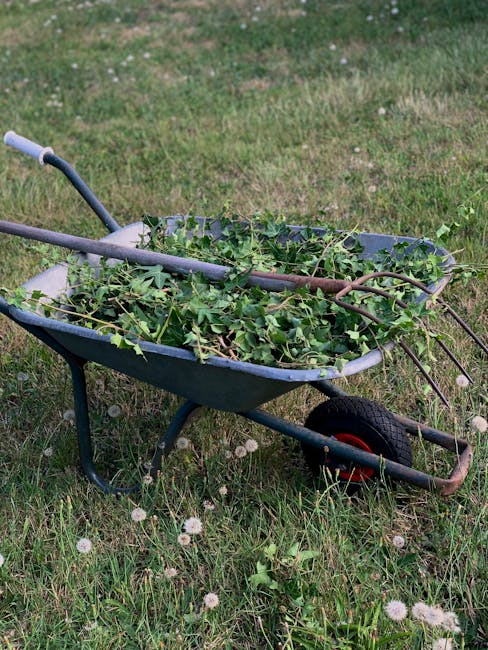
Clapton garden clearance delays and fast solutions

If your garden in Clapton has slipped into a messy backlog of cuttings, branches, old furniture, or a half-finished clear-up, you are not alone. Delays happen for all sorts of reasons: access issues, weather, waste handling, last-minute changes, or simply underestimating how much work is really there. The good news? Most garden clearance delays are fixable, and often faster than people expect once the problem is diagnosed properly.
This guide breaks down Clapton garden clearance delays and fast solutions in plain English. You will see why delays happen, how the clearance process works, what to do when time is tight, and how to avoid the most common mistakes that slow everything down. If you need a quick turnaround without the usual stress, this is the practical version. No fluff. Just the stuff that helps.
Expert takeaway: In most delayed garden clearance jobs, the fastest route is not "work harder" but "scope smarter" - know what is being removed, how it leaves the property, and what can be handled in one visit versus two.
- Why delays matter
- How garden clearance works
- Benefits of a fast, well-planned clearance
- Who this is for
- Step-by-step guidance
- Expert tips
- Mistakes to avoid
- Tools and resources
- Compliance and best practice
- Methods compared
- Real-world example
- Practical checklist
- Conclusion
- Frequently asked questions
Why Clapton garden clearance delays and fast solutions Matters
A delayed garden clearance is more than an inconvenience. It can push back maintenance, block outdoor use, create extra safety risks, and make a simple job feel oddly overwhelming. In a place like Clapton, where many gardens are compact, shared, tucked behind terraces, or accessed through narrow side passages, small delays can snowball quickly.
Think about the practical side first. A pile of wet hedge trimmings left too long starts to smell. A stack of broken fencing becomes awkward to move. Overgrown bramble or ivy can hide uneven ground, which is where people trip, twist an ankle, or just get fed up and stop halfway through. And once a job is paused, it tends to look bigger. Funny how that works, really.
Fast solutions matter because they restore momentum. They help you move from "this is becoming a project" to "right, it's handled." That matters for landlords, homeowners, estate managers, and anyone preparing for a sale, repair, or landscaping change. It also matters if you want the rest of the garden to stay manageable, which is where services like regular garden maintenance can prevent the same delay from returning a month later.
There is also a trust element. When a garden clearance is delayed, people often assume the service is disorganised. Sometimes that is fair. Sometimes not. More often, the issue is poor pre-job information or unrealistic expectations about what can be cleared in one visit. A clear plan saves everyone time, including the customer.
How Clapton garden clearance delays and fast solutions Works
Garden clearance is usually straightforward on paper: assess the site, remove green waste and unwanted debris, sort materials, load, dispose, and leave the area tidy. In practice, delays creep in at almost every stage if the job has not been properly sized up.
The process normally starts with an initial review. That might involve photos, a short call, or a site visit. A good assessment should identify the volume of waste, whether anything is heavy or awkward, whether access is restricted, and whether there are branches, roots, soil, sheds, old sleepers, or other mixed materials. Mixed waste slows things down because it often needs sorting rather than simple loading.
Then comes the scheduling side. Fast solutions depend on whether the team can allocate enough labour, the right vehicle, and the right timing. If there is a narrow entry, limited parking, or a shared access path, that can add minutes that become hours. In some Clapton streets, parking and loading logistics matter just as much as the actual cutting and lifting.
After that, the clearance itself is usually split into a few practical tasks:
- Sort what stays and what goes.
- Cut back overgrowth if needed.
- Remove green waste, timber, old garden items, and general debris.
- Sweep and tidy the cleared area.
- Dispose of waste responsibly.
Where delays happen is easy to see. A job may need additional time if the garden hides a broken shed base, a cluster of heavy pots, or soil that is far more compacted than expected. The fastest solution is to surface those issues early, not after everyone has already started loading bags. If a garden includes related work such as branches that need pruning or larger woody growth, tree lopping and removal may be part of the picture, though only where it is genuinely needed and safe to do.
Key Benefits and Practical Advantages
When delays are handled properly, the benefits are immediate. A fast, well-run clearance gives you usable space back sooner, reduces stress, and stops the garden from slipping into a bigger problem. There is a real practical difference between a tidy plot and one that keeps being "sorted next week."
Here are the main advantages people usually notice:
- Faster access to patios, lawns, borders, and sheds.
- Less disruption to family life, tenants, neighbours, or tradespeople.
- Lower risk of trips, pests, damp smells, and hidden mess.
- Better planning for landscaping, planting, or outdoor repairs.
- Cleaner handover if you are moving, letting, or selling a property.
There is a subtler benefit too: momentum. Once the clutter goes, people usually make better decisions about the rest of the outdoor space. That is when a simple clearance becomes the first sensible step toward a calmer garden, not just a clean one. If you are thinking beyond the immediate tidy-up, landscape gardening or broader landscaping can make the cleared area easier to maintain in the long run.
Who This Is For and When It Makes Sense
This topic is for anyone who has looked at their garden and thought, "It should be done by now." That includes homeowners with an overgrown plot, landlords between tenancies, families trying to reclaim a usable outdoor area, and older residents who simply do not want the physical strain of clearing heavy waste themselves.
It also makes sense if you are dealing with:
- storm damage or windblown debris
- holiday or seasonal overgrowth
- a garden that got away from you during a busy spell
- builder's waste after a small outdoor project
- pre-sale or end-of-tenancy presentation work
- neglected boundaries, hedges, or lawn edges
Sometimes the need is urgent, sometimes not. To be fair, a garden rarely becomes urgent on its own; it usually becomes urgent because something else is on the calendar. Visitors arriving tomorrow. A rental check. A fence repair. A deck installation. A barbecue you promised yourself you would host, even though the lawn currently looks like it has given up. In those moments, fast solutions are not luxury. They are sanity.
If the job involves several elements at once, it can help to look at the wider service range through a services overview so the work is grouped sensibly instead of dragged out in bits and pieces.
Step-by-Step Guidance
If you want to cut delay out of the process, follow the job like a project rather than just a tidy-up. That mindset makes a real difference.
1. Define what actually needs clearing
Be specific. "The garden needs clearing" is a start, but not enough. Say whether the problem is green waste, brambles, logs, broken fencing, old play equipment, soil bags, or general debris. The clearer the brief, the quicker the response. A vague job is how you end up with a second visit.
2. Share honest photos or a site description
Photos taken in daylight, from a couple of angles, help a lot. Try to show the full area, access points, and the messiest sections. If there is a locked gate, a steep path, or restricted parking, mention it. That is not being fussy. That is being efficient.
3. Separate waste streams if you can
If green waste is piled separately from timber, soil, or mixed rubbish, loading can go much faster. Even a rough sorting before the team arrives can shave off a surprising amount of time. You do not need to make it perfect. Just useful.
4. Confirm access and timing early
Delays often happen because someone is waiting for a key, a parking space, or a neighbour to move a car. Sort that out before the day of the job. In London, access is often the hidden bottleneck.
5. Ask how the waste will be handled
Responsible disposal matters, both for speed and for peace of mind. Make sure the process is clear from the start. A team that knows how waste will be separated, loaded, and removed is usually much quicker on site than one improvising as it goes.
6. Decide what "done" looks like
This sounds obvious, but it helps. Do you want the entire garden stripped back, or just the worst areas made safe and presentable? Do you want borders left neat? Should the lawn be cut after clearance? Clarity here prevents that awkward moment where one person says "finished" and the other says "not quite."
Expert Tips for Better Results
Experienced gardeners and clearance teams tend to work in the same direction: remove friction before it turns into delay. A few small habits make the whole job smoother.
First, do not underestimate volume. Wet hedge cuttings, ivy, and branches always look smaller once they are on the ground. Then you try to lift them, and suddenly the pile seems to breed overnight. It's annoying, but normal.
Second, combine the clearance with follow-on care. If the garden has been neglected for months, clearance alone may leave it looking bare but still unruly. Pairing it with lawn mowing or hedge trimming can help you see the real shape of the space again.
Third, protect fragile areas. If you have decking, edging, or planted borders, ask for careful handling. One dropped branch on a soft border can undo a lot of good work. If the job touches a timber structure, it may be sensible to review decking services as well, especially if repairs or replacement are now on the table.
Fourth, schedule around weather where possible. A damp Thursday morning can turn a neat clearance into a slippy, muddy slog. Not always avoidable, but worth noting. If the forecast is ugly and the garden is heavy with wet waste, allow a little breathing room.
Fifth, think about future maintenance now. A clear garden left unmanaged often slides back quickly. A basic maintenance plan, even a light one, helps keep the space from becoming a repeat emergency.
Common Mistakes to Avoid
Most delays are not caused by one big mistake. They are caused by five small ones stacking up together. You have probably seen it before.
- Leaving the brief too broad and expecting a precise plan from guesswork.
- Hiding extra waste until the team arrives, which almost always slows things down.
- Forgetting access issues such as gates, shared paths, parking, or locked outbuildings.
- Mixing materials together so everything must be sorted on site.
- Assuming all clearance jobs are equal even when one garden is light work and the next is full of roots, rubble, and tangled growth.
- Not asking about disposal, which can lead to confusion and delay later.
Another common one: treating a clearance like a one-off emergency and then ignoring the garden again. That is understandable, but it is exactly how future delays start. The truth is, once a garden has been made manageable, it is much easier to keep it that way than to let it return to chaos and start over from zero.
Tools, Resources and Recommendations
You do not need a van full of specialist gear to prepare well, but a few simple tools and habits can make the job smoother.
- Sturdy gloves for handling brambles, sharp twigs, and rough debris.
- Garden sacks or reusable bags if you are pre-sorting lightweight waste.
- Wheelbarrow or tubs for moving material to a central collection point.
- Pruners or shears for reducing bulk before collection.
- Basic broom and rake for a quick final tidy.
From a planning point of view, three resources matter more than any tool: clear photos, honest notes, and a realistic deadline. Those three things are what help turn a delayed clearance into a fast one.
If you want a better sense of service options, pricing and quotes can help frame expectations, while recycling and sustainability is useful if you care about where the waste goes and how responsibly it is handled. That is a fair question, by the way. People should ask it.
Law, Compliance, Standards, or Best Practice
For garden clearance, the main compliance concern is not usually complicated legislation in the day-to-day sense; it is safe handling, responsible disposal, and sensible work practices. If you are hiring a service, it is reasonable to expect that waste is managed properly, that workers act safely, and that the process is transparent.
Good practice usually means:
- separating green waste from mixed waste where practical
- avoiding unsafe lifting or awkward manual handling
- protecting access routes, surfaces, and neighbouring property
- checking for hidden hazards such as nails, broken glass, or unstable material
- making sure any cutting or tree-related work is approached carefully
It is also sensible to review a provider's health and safety policy and insurance and safety information before work starts. That does not mean the job is risky by default. It simply means the basics are in place. In a busy urban setting, that reassurance matters.
For customers who want to understand the service relationship more broadly, the terms and conditions and payment and security pages are worth checking too. Clear expectations reduce disputes, and clear paperwork saves time. Boring, maybe. Useful, definitely.
Options, Methods, or Comparison Table
Not every delayed clearance needs the same fix. Sometimes the fastest solution is a full clearance. Sometimes it is a staged approach. Here is a simple comparison.
| Method | Best for | Speed | Typical trade-off |
|---|---|---|---|
| Full one-visit clearance | Clear access, moderate to heavy waste, urgent tidy-up | Fastest when the site is well defined | Needs accurate information and enough labour |
| Staged clearance | Very large or complex gardens | Slower overall, but controlled | May take more than one visit |
| Clearance plus maintenance | Neglected gardens that will need follow-up care | Usually efficient over time | Requires planning the next step |
| Targeted partial clearance | Just one problem area, such as hedging or debris | Very quick | Does not solve the whole garden |
The best option depends on your deadline, access, waste type, and how the garden will be used next. If the aim is to get ready for landscaping, a fuller approach makes sense. If the aim is just to make the garden safe and presentable before the weekend, a targeted fix can be enough. Simple as that.
Case Study or Real-World Example
Here is a realistic example from the kind of situation people run into all the time. A homeowner in Clapton had a back garden with overgrown ivy, a collapsed corner of fencing, several bags of old compost, and a heavy pile of hedge clippings after a weekend attempt to "get on top of it."
The first problem was not the amount of waste. It was the assumption that everything could be done without a proper look. Once the access route was checked, it became obvious that the side path was narrow, the back gate stuck slightly, and the mixed waste would need sorting before loading. That is exactly the sort of thing that creates delay if no one mentions it early.
The fast solution was practical rather than dramatic: clear the access route first, separate the green waste from heavier materials, remove the loose clutter in one stage, then deal with the broken fencing and remaining bulk. The job did not become magically smaller. It just became manageable. Which, in real life, is usually the whole point.
After the clearance, the garden was left in a state where mowing, hedge shaping, and future planting could happen without tripping over the old mess. That transition from blocked to workable is often what people actually need, even if they start out asking only for "a quick tidy."
Practical Checklist
Use this before the team arrives or before you start the job yourself.
- Take clear photos of the whole garden in daylight.
- List all waste types: green waste, branches, soil, timber, furniture, rubble, and mixed debris.
- Check access gates, paths, parking, and any locked areas.
- Move personal items, toys, tools, and anything you want to keep.
- Separate bulky items from loose cuttings where possible.
- Identify hazards such as broken glass, nails, unstable piles, or hidden edges.
- Decide whether you want clearance only or clearance plus follow-on maintenance.
- Confirm timing, expected duration, and any weather or access concerns.
- Review safety, insurance, and payment information before work begins.
- Think ahead: do you want the space left ready for mowing, trimming, or landscaping?
If you tick most of those boxes, you are already ahead of the game. And yes, it really does save time. Every single time.
Get a free quote today and see how much you can save.
Conclusion
Clapton garden clearance delays are frustrating, but they are rarely mysterious. Most of the time, the slowdown comes from unclear scope, awkward access, hidden waste, or a job that turned out to be bigger than expected. The fix is usually a better plan, a clearer brief, and the right mix of removal, sorting, and follow-up care.
If you want a fast solution, think in terms of flow. What needs moving first? What can wait? What is creating the bottleneck? Once you answer those questions, the job becomes much easier to manage and much less stressful to live with. There is a real relief in that first clean stretch of soil or the first open corner of lawn. Small win, but a proper one.
And if you are ready to turn a delayed clear-up into something calm, tidy, and workable again, the next step is simply to plan it properly and move. One good decision, then the garden starts catching up with you.
Frequently Asked Questions
Why do garden clearance jobs in Clapton get delayed?
Common reasons include poor access, unexpected waste volume, mixed materials, weather, parking issues, and incomplete job descriptions. A quick photo review usually prevents most of that.
What is the fastest way to fix a delayed garden clearance?
The fastest fix is to clarify the scope, separate waste types, confirm access, and agree whether the job should be done in one visit or split into stages.
Can a garden clearance be done quickly if the garden is overgrown?
Yes, often it can, but the speed depends on how dense the growth is, whether branches or roots are involved, and how easy it is to move waste out of the property.
Should I cut back the garden myself before clearance?
Only if it helps. A little sorting or trimming can speed things up, but do not put yourself at risk with heavy, thorny, or awkward material.
What details should I give before booking a clearance?
Share photos, access details, the types of waste involved, any heavy items, and your deadline. That information makes a big difference to timing.
Is it better to book clearance and maintenance together?
Often, yes. If the garden has become neglected, pairing clearance with maintenance can stop the same problems returning straight away.
How do I know if my job needs tree or hedge work as well?
If the clearance includes heavy branches, dense hedge growth, or awkward woody material, it may be worth looking at hedge trimming or tree-related work alongside the clearance.
Will weather affect how fast the work can be done?
Sometimes. Wet ground, rain, and slippery access can slow loading and movement. A slightly flexible schedule helps when conditions are poor.
What if I only need part of the garden cleared?
That is very common. A partial clearance can be the quickest option if you only need one area made safe, tidy, or ready for another job.
How can I avoid the same clearance delay happening again?
Keep on top of light maintenance, trim back growth before it becomes dense, and deal with small piles of waste before they turn into a bigger problem.
Do I need to check safety and insurance before booking?
Yes, that is sensible. It is worth reviewing health and safety, insurance, and payment information so expectations are clear before any work begins.
What should I expect after a fast garden clearance?
You should expect the area to be usable, tidy, and much easier to maintain. If the garden still needs shaping or planting, that can be planned next without the clutter getting in the way.