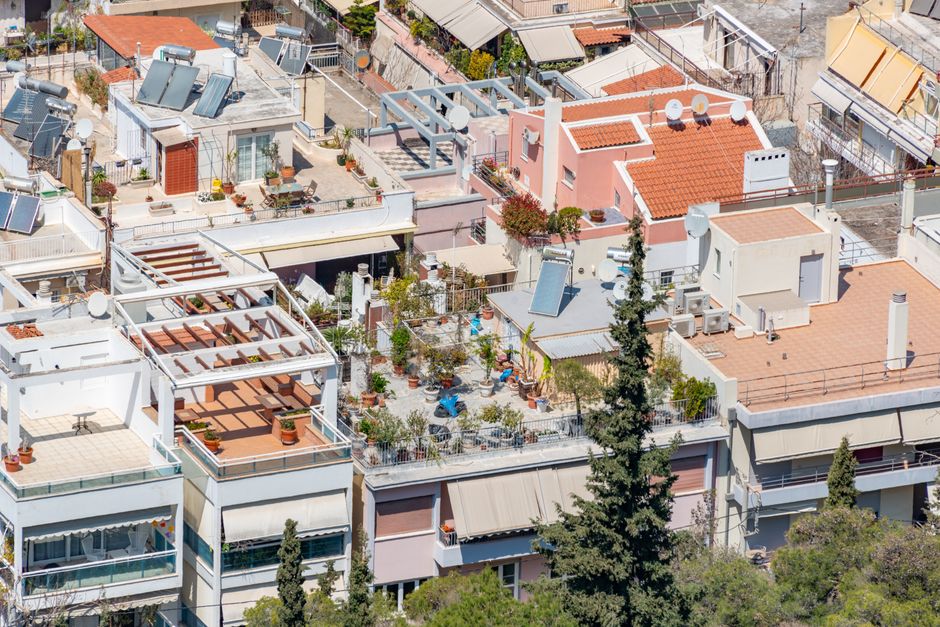
Dalston roof terrace gardeners for compact city plots

If you live in Dalston, you probably already know the rhythm of the area: tight streets, rooftop views, a bit of wind, and not much spare square metre to waste. That is exactly why Dalston roof terrace gardeners for compact city plots have become such a useful part of urban home life. A roof terrace can feel like a tiny luxury, but it can also be awkward, exposed, and surprisingly demanding. One wet week and the whole thing looks tired; one sunny spell and suddenly every plant seems to need a drink. Sound familiar?
This guide walks through what roof terrace gardening actually involves, why it matters in compact city settings, and how to make the most of a small outdoor space without turning it into a maintenance headache. We will cover design choices, plant selection, practical steps, common mistakes, compliance points, and a few real-world examples from the sort of spaces people in Dalston tend to deal with. No fluff. Just proper, useful guidance.
- Why Dalston roof terrace gardeners for compact city plots matters
- How roof terrace gardening works
- Key benefits and practical advantages
- Who this is for and when it makes sense
- Step-by-step guidance
- Expert tips for better results
- Common mistakes to avoid
- Tools, resources and recommendations
- Law, compliance, standards, or best practice
- Options, methods, or comparison table
- Case study or real-world example
- Practical checklist
- Conclusion
- Frequently asked questions
Why Dalston roof terrace gardeners for compact city plots Matters
Roof terraces in Dalston are not the same as a suburban back garden. They are more exposed, more compact, and often part of a building where load, drainage, privacy, and access all need thought. That changes everything. A good terrace garden is not just about putting a few pots outside and hoping for the best. It is about shaping a small, busy, urban space so it feels calmer, greener, and easier to live with.
In practice, this matters for three reasons. First, compact city plots need structure. Without it, a terrace can quickly become cluttered, windy, and hard to use. Second, roof-level spaces need lighter, more resilient planting and smarter materials because conditions are harsher than at ground level. Third, the best city gardens do more than look nice. They soften noise, create privacy, encourage you to spend time outside, and make a flat feel genuinely bigger.
To be fair, some people think roof terraces are just decorative extras. Then summer arrives, a chair goes out, a few herbs are growing, and suddenly that little space becomes the room everyone uses. That is the real value here. A well-planned terrace can feel like an extra living area, not just an outdoor shelf.
There is also a strong local angle. In places like Dalston, where homes often sit close together and outdoor footprints are limited, every decision needs to earn its keep. A narrow terrace needs plants that do not bully the space. A family terrace needs safe surfaces and simple upkeep. A top-floor flat may need screening from neighbouring windows without blocking all the light. These are small choices, but they make a big difference.
How Dalston roof terrace gardeners for compact city plots Works
Roof terrace gardening works by treating the space as a complete system, not a collection of pots. That system usually includes structure, planting, containers, drainage, access, privacy, and maintenance. If one part is off, the whole terrace feels off. A plant that loves rich soil but hates wind, for example, may survive for a while and then collapse the moment autumn arrives. A lovely timber deck can also become slippery if drainage is ignored. It all connects.
The process often starts with an assessment. A gardener looks at how much direct sun the terrace gets, where wind funnels through, how water escapes, what the parapet or railing allows, and how the space is used day to day. In a compact city plot, those details matter more than people expect. A north-facing terrace can still be beautiful, but it needs a different planting palette from a south-facing one. A fully exposed roof needs sturdier pots and more wind-tolerant choices. Simple, really - but easy to get wrong.
Then comes planning the layout. You do not want to crowd the terrace with too many elements. The best small rooftop gardens usually rely on a few clear zones: one area for seating, one for planting, maybe a screen for privacy, and a bit of open circulation so the place still breathes. It sounds basic, yet the difference between a cluttered terrace and a restful one is often just a couple of well-placed decisions.
Finally, there is maintenance. Roof terraces dry out faster than ground-level gardens, so watering routines matter. Containers need feeding. Saucers and trays may need emptying. Winter protection should be thought through before the first frost, not after the damage is done. A roof garden is not high maintenance by default, but it is more attentive than a back patio. That is the trade-off.
Key Benefits and Practical Advantages
The benefits of a compact roof terrace garden are easy to love, but they are also practical. Here is what people usually gain when the space is designed properly.
- More usable outdoor living space: Even a small terrace can work as a breakfast spot, reading nook, evening drink space, or mini entertaining area.
- Better privacy: Strategic planting and screening can soften overlooked windows and make the space feel more personal.
- Improved atmosphere: Greenery helps a hard urban surface feel warmer, quieter, and less stark.
- Flexible design: Containers and lightweight features can be changed more easily than fixed garden structures.
- Year-round interest: With the right planting mix, the terrace can look good in all seasons, not just in midsummer.
- Lower waste, smarter use of space: Compact plots encourage deliberate choices instead of overfilling the area with bits and pieces that never quite work.
There is a less obvious benefit too: a good terrace often changes behaviour. People step outside more. They drink coffee there on a weekday morning. They open the door for ten minutes of fresh air rather than keeping the place as a decorative afterthought. That tiny shift matters. A terrace that gets used is a terrace that feels worthwhile.
Expert summary: the best roof terrace gardens in compact urban areas do not try to do everything. They do a few things well - structure, resilience, comfort, and easy maintenance. That is usually the winning combination.
Who This Is For and When It Makes Sense
Dalston roof terrace gardeners for compact city plots are a good fit for anyone trying to make a limited outdoor space work harder. That includes flat owners, tenants with permission to improve the terrace, landlords upgrading a rental property, and small households that want a low-key outdoor retreat without a full-scale garden project.
It makes sense if you are dealing with one or more of these situations:
- the terrace feels too bare, too hot, or too exposed
- you want privacy from nearby windows or adjacent rooftops
- the space is awkwardly shaped and needs a better layout
- you want edible planting, but do not have room for a full allotment-style setup
- the current containers are mismatched, tired, or difficult to maintain
- you need a garden that looks neat and stays manageable through the seasons
It may also be a sensible investment before hosting, selling, or letting a property. A well-organised terrace often photographs better and feels more complete. That does not mean you need to go grand. In fact, compact spaces usually benefit from restraint. One strong seating area and a few high-quality planting features can have more impact than a dozen half-finished ideas. You know the type - a chair, a bucket planter, a string light, a random trellis. It can all get a bit DIY chaos, fast.
If you are not sure whether a full redesign is needed, start by asking: does the terrace already work as a space, or are you avoiding it because it feels awkward? That answer is usually telling.
Step-by-Step Guidance
Here is a practical way to approach a compact roof terrace without overcomplicating it. This is the part where careful planning pays off.
- Measure the space properly. Include clear walking routes, door swings, drainage points, raised edges, and any fixed features. On a small terrace, a few centimetres matter more than people expect.
- Study the site conditions. Note sun, shade, wind tunnels, privacy issues, and heat reflection from nearby walls or surfaces. A windy roof in Dalston at 4pm can feel very different from the same spot at 10am.
- Decide what the terrace must do. Is it for dining, relaxing, growing herbs, screening, or all of the above? Be honest. A terrace that tries to be everything often ends up being nothing in particular.
- Choose a layout with breathing room. Leave circulation space. Keep the centre from becoming overfilled. Use vertical space carefully if you need more planting without stealing floor area.
- Pick containers and materials that suit roof conditions. Lightweight but stable planters, weather-resistant furniture, and good drainage details are worth prioritising.
- Select plants for the actual microclimate. Wind-tolerant, drought-aware, and container-friendly species usually perform better than fussy choices.
- Plan irrigation and watering access. Even a simple watering routine should feel realistic, not heroic. If it is too awkward, it will not happen on a busy Tuesday evening.
- Add finishing touches gradually. Once the main structure works, then bring in accessories, lighting, cushions, or seasonal pots. Leave room to learn how the space behaves.
One useful trick is to set up the terrace in phases. Start with the basics, live with it for a week or two, and see how you naturally use the space. Do you sit in the sun, or avoid it by lunchtime? Does the screen block too much view? Does the route from the door to the seat feel clumsy? Tiny observations like that can save you from expensive missteps later.
Expert Tips for Better Results
Good terrace gardening is often about small choices that reduce hassle later. Here are a few expert-level points that tend to make a noticeable difference.
1. Use height, but do not overdo it. Taller planters, trellis panels, or layered planting can create intimacy and privacy, but too much height in a compact plot makes the space feel boxed in. Aim for balance. Light, airy screening often works better than a solid wall of greenery.
2. Mix evergreen structure with seasonal change. Compact terraces need reliable form through winter, otherwise they look stripped and sad for months on end. Evergreens, grasses, and structural shrubs can provide the backbone, while seasonal pots add interest around them.
3. Keep the planting palette disciplined. A small terrace can look richer with five well-chosen plants than with fifteen random ones. Repetition creates calm. Too many competing shapes and colours can make the place feel busy rather than designed.
4. Choose pots for stability as well as looks. Lightweight is useful, yes, but nothing should wobble in the wind or tip over with a heavy rain. Rooftop conditions are unforgiving on flimsy kit.
5. Think about maintenance from the start. Can you reach every pot without moving furniture? Can you deadhead, prune, or water without awkward stretching? If not, the design may need adjusting. A beautiful terrace that you cannot comfortably care for is a bit of a trap.
6. Use scent carefully. A little lavender, thyme, rosemary, or jasmine can be lovely near a seating area. Too much strong fragrance in a confined space, though, can become overwhelming. Mild, not forceful. That is usually the sweet spot.
7. Build privacy in layers. Rather than one tall screen, consider a mix of lower planting, mid-height foliage, and a limited high element. It tends to feel more natural and less wall-like.
And here is a practical reality check: the best terrace garden is rarely the one with the most features. It is the one that still feels good on a grey Wednesday morning when no one is visiting and you are just making tea.
Common Mistakes to Avoid
Small urban roof terraces can go wrong in predictable ways. Most of these mistakes are fixable, but they are easier to avoid in the first place.
- Overcrowding the layout. If every corner is filled, the space stops feeling restful. Leave visual and physical breathing room.
- Ignoring wind exposure. Plants that look fine in a sheltered nursery will struggle if the terrace is properly exposed.
- Choosing plants for looks alone. A beautiful plant that hates container life or dries out constantly is a short-lived pleasure.
- Using containers without proper drainage. Waterlogged roots are a classic problem on roof terraces.
- Forgetting weight limits and distribution. Heavy materials need thought. Load should be spread sensibly, not dumped in one corner.
- Making maintenance too complicated. If watering takes ages, the system will fail eventually. Life gets busy.
- Skipping the privacy plan. Many people notice overlooked sightlines only after the terrace is finished. A bit late, really.
One more subtle mistake: choosing too many small items. A handful of tiny pots can look fussy and create more work than a few stronger pieces. Bigger, simpler forms often work better in compact city plots. Not always, but often enough to matter.
Tools, Resources and Recommendations
You do not need a mountain of equipment to manage a compact roof terrace well, but the right tools make the work easier and more consistent.
- Measuring tape: essential for layout planning and container sizing.
- Lightweight pots and planters: useful where access and load are important.
- Good-quality compost and mulch: helps with water retention and plant health.
- Watering can or hose access solution: choose whatever makes regular watering realistic.
- Hand pruners and snips: for tidy maintenance and deadheading.
- Garden gloves and simple kneeling pad: small comforts, but they matter when you are working in a tight space.
- Outdoor storage: keeps clutter under control and protects tools from the weather.
If you are planning a larger refresh, it can also help to look at broader support services that fit the project. For example, garden maintenance is useful if you want steady ongoing care rather than a one-off tidy-up. If the space needs a more complete rethink, landscaping and landscape gardening can help shape the layout in a more structured way.
For terraces that have become overgrown, cluttered, or just plain unusable, garden clearance is often the right first step before any planting goes in. If access is tight or the space includes tired hard surfaces, decking services may be relevant too, provided the structure and setup suit the building.
It is also worth paying attention to recycling and disposal habits. A small terrace project can still generate old compost, broken pots, packaging, and cuttings. Thoughtful disposal is part of the job, not an afterthought. For that, recycling and sustainability is a sensible reference point.
Law, Compliance, Standards, or Best Practice
Roof terrace gardening is not only about appearance. In a built-up London setting, there are practical and safety considerations that need respect. The exact requirements depend on the building, lease, management arrangements, and the nature of the work, so it is wise to be cautious rather than assume.
First, check access rights and permission. If you rent a flat or share responsibility for the roof space, you may need approval before making changes. That can include fixed installations, weighty features, screening, or anything that affects common areas. Better to ask early than create a headache later. Nobody wants an awkward conversation after the planters have already arrived.
Second, think about structure and load. Roof terraces can have limitations on what they safely support, especially when wet soil, heavy planters, furniture, and stored items are involved. Weight should be distributed carefully and, where needed, assessed by the appropriate building professional. This is especially relevant if you are considering larger planters or any fixed features.
Third, drainage matters. Water needs somewhere to go. Blocked drains, poor run-off, or containers placed directly against sensitive surfaces can lead to damage over time. Good practice is about protecting the building as much as improving the garden.
Fourth, use materials and installation methods that are suitable for exterior conditions. Fixings, screens, and structural additions should be stable in wind and weather. In a city roof setting, small shortcuts can become big problems once the weather turns. It happens fast, too, one gust and you notice everything you were hoping to ignore.
Finally, consider safety and maintenance access. You should be able to reach drainage points, inspect planters, and move around the terrace without creating trip hazards. If a feature blocks an escape route or interferes with essential access, it needs rethinking. That is just sensible best practice.
If you want peace of mind around responsible working methods, it may help to review insurance and safety alongside the company's wider approach to health and safety policy. Those pages are useful when you are deciding how much support you need and what standards you should expect.
Options, Methods, or Comparison Table
Different roof terrace approaches suit different goals. A compact city plot in Dalston does not need a one-size-fits-all solution, so it helps to compare the main methods side by side.
| Approach | Best for | Strengths | Watch-outs |
|---|---|---|---|
| Container-led planting | Very small terraces, renters, flexible spaces | Easy to change, simple to phase, good for compact layouts | Needs regular watering and careful weight management |
| Screened seating area | People who want privacy and comfort first | Makes the terrace feel like an outdoor room | Can feel enclosed if screening is too heavy |
| Edible terrace garden | Herb lovers, cooks, small households | Useful, fragrant, and rewarding to maintain | Some edible plants need more sun than a rooftop can offer |
| Low-maintenance evergreen scheme | Busy owners and landlords | Reliable year-round structure with less fuss | Needs careful plant choice to avoid looking static |
| Mixed-use design | Most compact city terraces | Balances seating, planting, and privacy | Requires slightly more planning to avoid clutter |
In most cases, a mixed-use design is the strongest option. It gives you enough flexibility to live with the space without locking yourself into a single purpose. That matters in city homes, where one room often has to do several jobs. The terrace should be the same way.
Case Study or Real-World Example
Here is a realistic example of how this kind of project often unfolds.
A small top-floor flat in Dalston had a narrow roof terrace with a concrete floor, a few tired pots, and very little privacy from neighbouring windows. In the morning, the space felt bright but exposed. By late afternoon, the wind picked up and the terrace became somewhere the owners simply passed through, not somewhere they stayed. The goal was not a dramatic overhaul. They wanted somewhere comfortable to sit, grow a few herbs, and make the terrace feel calmer.
The first step was clearing out the clutter. Old containers, broken supports, and a jumble of mismatched items went. Then the space was measured carefully, and the layout was simplified into three zones: a small seating corner, a planting edge for structure, and a screening line to soften direct views from nearby windows. The planting scheme favoured hardy, container-friendly species rather than delicate choices that would need constant attention.
What changed most was not the number of plants. It was the sense of order. The terrace became easier to walk through, easier to water, and much more inviting at the end of the day. The owners started using it more often - for breakfast, for a glass of something cold in the evening, even just for ten quiet minutes with the city noise below. A small space, yes. But it began to feel like part of the home rather than an odd attachment to it.
That is usually the point of compact roof terrace gardening. Not to overwhelm the space. To make it belong.
Practical Checklist
Use this checklist before you start, or before you hand a terrace brief to a gardener.
- Measure the full terrace and mark fixed elements, access routes, and drainage points.
- Check permission and building rules if the roof space is shared or leased.
- Identify sun, shade, and wind patterns across the day.
- Decide on the main use: relaxing, dining, privacy, planting, or a mix.
- Choose a simple layout with enough room to move comfortably.
- Select containers suited to rooftop conditions and check their stability.
- Pick plants that tolerate exposed city conditions and suit the light level.
- Plan watering and ongoing care before buying anything.
- Keep weight and drainage in mind at every stage.
- Allow for privacy and screening without blocking all light or air.
- Leave room for future changes because small spaces often evolve once you live with them.
If you can tick most of those boxes, you are already ahead of the game. Honestly, many terrace problems start because people skip the boring bits. Measure first. Dream second. That order saves a lot of hassle.
Get a free quote today and see how much you can save.
Conclusion
Dalston roof terrace gardeners for compact city plots are really about making small spaces work hard without making them feel hard-edged. The best results come from clear planning, realistic plant choices, sensible materials, and a layout that respects how people actually live. A compact terrace does not need to be large to be lovely. It just needs to be thought through properly.
When the structure is right, the terrace becomes easier to care for, more enjoyable to use, and far more rewarding through the seasons. You notice the morning light differently. You hear less of the clutter in your own head, if that makes sense. A good roof garden does that. It gives a bit back.
So if your terrace feels underused, awkward, or unfinished, start with the fundamentals and build from there. Small city plots can become surprisingly generous with the right approach.
Frequently Asked Questions
What makes Dalston roof terrace gardeners for compact city plots different from regular garden work?
Roof terrace work is more about constraints: weight, wind, drainage, access, and privacy. A regular ground-level garden usually has more soil depth and fewer structural considerations. On a terrace, every container and layout choice has to work a bit harder.
How do I make a tiny roof terrace feel bigger?
Keep the layout simple, avoid too many small items, and use layered planting rather than clutter. Clear circulation space helps a lot. Mirrors and reflective surfaces can be useful in some cases, but they should be used carefully so the terrace does not feel overstyled.
Which plants work best on exposed city rooftops?
Generally, wind-tolerant, drought-aware, and container-friendly plants are best. Evergreen structure, ornamental grasses, herbs, and hardy shrubs often perform well. The exact selection depends on sun exposure and how much shelter the terrace has.
Do roof terraces need special drainage?
Yes, proper drainage is important. Water needs to move away cleanly, and containers should not trap excess moisture. Poor drainage can damage both plants and the terrace surface, so it is worth checking before adding heavy planting or fixed features.
How often should a roof terrace be maintained?
That depends on the planting scheme and how exposed the space is. Many compact terraces need regular watering in warmer months, seasonal pruning, and occasional tidying. A low-maintenance design can reduce the workload, but it will not eliminate it completely.
Can I use large planters on a roof terrace?
Sometimes, yes, but weight and placement matter. Large planters can be effective for structure and privacy, yet they need to be chosen carefully and distributed sensibly. If in doubt, it is best to treat heavier items cautiously and check suitability for the building.
What is the biggest mistake people make with small terrace gardens?
Overcrowding. It is very tempting to buy lots of plants and accessories, but compact spaces need restraint. A few strong choices usually look better and are easier to maintain than lots of small, competing elements.
How can I make my terrace more private without blocking light?
Use layered screening rather than one solid barrier. Taller plants, partial screens, trellis, and strategic placement can soften sightlines while still letting light through. The trick is to create privacy without turning the terrace into a box.
Is a roof terrace garden suitable for tenants?
Often yes, but only with the right permission and a reversible approach. Containers, movable furniture, and non-permanent planting are usually the safest starting point. Always check what your lease or building agreement allows before making changes.
How do I start if my roof terrace is already cluttered or tired?
Begin with clearance and a proper assessment. Remove broken items, identify the usable footprint, and decide what the space should actually do. A fresh layout is much easier once the old clutter is gone. It sounds obvious, but it works.
What should I ask a gardener before hiring them for a roof terrace project?
Ask how they handle small-space layout, drainage, load awareness, planting for exposed conditions, and ongoing maintenance. It is also sensible to ask about safety, insurance, and whether they can help you phase the work if you do not want everything done at once.
Can a compact terrace still look stylish and low-maintenance?
Absolutely. In fact, small terraces often look better when they are kept simple. Good structure, a restrained palette, and a few durable materials can create a very polished result without demanding constant attention. That balance is usually what people are after, really.