Hackney gardeners for narrow access gardens solutions: practical ideas for tight urban spaces
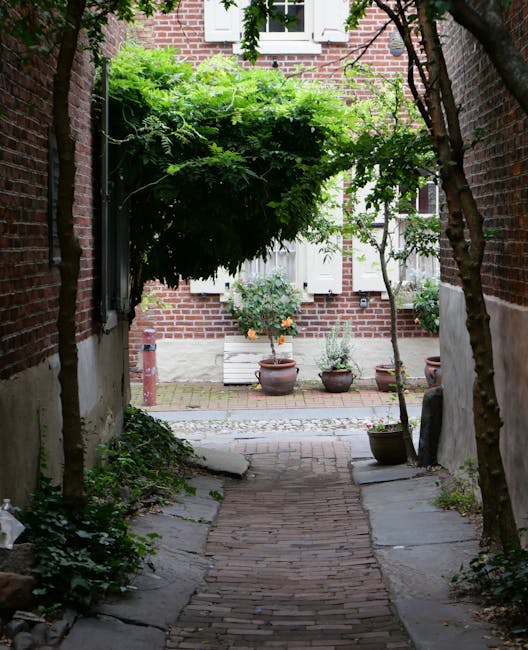
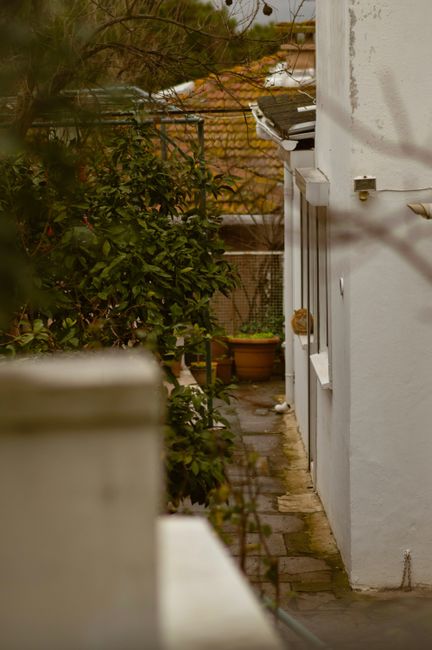
If your garden is tucked behind a terrace, split by a narrow passage, or only reachable through a side alley, you already know the challenge. Standard garden jobs can become awkward fast. Sacks of soil don't glide through tiny gaps. Hedge cuttings, broken fencing, old sleepers, and paving waste all seem to grow heavier when the access is tight. That is exactly why Hackney gardeners for narrow access gardens solutions matter: they bring the right tools, the right planning, and a calm approach to spaces that simply do not behave like ordinary gardens.
In Hackney, where homes often sit close together and outdoor spaces can be compact, narrow access is not a small inconvenience. It shapes what can be planted, how landscaping is built, how waste is removed, and even how safely a job is carried out. This guide explains what those solutions look like in real life, when they make sense, and how to choose a sensible approach without wasting time or money.
Whether you need regular care, a complete clearance, or a smarter layout that makes the garden easier to live with, the goal is the same: make the space workable. Not perfect in some glossy brochure sense. Workable, tidy, and enjoyable. That's the sweet spot.
Why Hackney gardeners for narrow access gardens solutions Matters
Narrow access changes everything. A job that would be straightforward in an open suburban garden can become a careful, almost puzzle-like task in Hackney. If the only route to the rear garden is a thin side passage, or if access is through the house, you need more than enthusiasm. You need a plan that respects the property, the neighbours, and the limits of the space.
This matters for a few simple reasons. First, poor access slows work down and can increase labour. Second, it raises the risk of damage to fences, walls, doors, paving, and interior floors if materials are moved carelessly. Third, it affects what type of garden design is even possible. A heavy stone feature might look beautiful in a sketch, but if it cannot physically get into the garden, well, that idea is dead on arrival.
There is also the practical reality of waste. Garden clearance, hedge cuttings, turf, soil, and old timber all have to come back out somehow. In a tight Hackney terrace, this often means carrying materials by hand in smaller loads, breaking jobs into stages, and using smaller equipment. Done properly, that is fine. Done badly, it becomes noisy, messy, and frustrating for everyone involved.
To be fair, this is where a specialist approach earns its keep. The right team will look at the route in, the route out, and the shape of the work before they start digging. That early thinking saves a surprising amount of trouble later on.
If you are exploring wider service support, it can help to review the company's services overview and understand how individual tasks fit together, from clearance to ongoing care.
How Hackney gardeners for narrow access gardens solutions Works
The process usually starts with access assessment. Not a dramatic word, but a useful one. The gardener or landscaper checks how wide the access is, where turning points sit, what surfaces need protecting, and whether machinery can be used at all. Sometimes the answer is yes, but only in a reduced form. Other times it is hand tools only. In tighter gardens, that distinction matters.
From there, the work is adapted. Materials may be cut into smaller sections before delivery or assembled on site. Soil, mulch, timber, and waste may be moved in lightweight containers or bags rather than bulk loads. For some projects, work is staged so one part of the garden is completed before the next begins, keeping the site clean and manageable.
In real terms, a narrow access solution often means blending several methods:
- hand-carrying materials in smaller quantities
- using compact, low-noise tools where appropriate
- choosing lighter landscaping materials
- protecting routes with boards or sheets
- planning waste removal before the job starts
- breaking work into stages so access stays usable
That last point is a big one. Once a garden becomes cluttered with piles of cuttings, bags of soil, and half-built features, access can shrink even further. Good planning prevents that. You want the work area to breathe a little, if that makes sense.
For maintenance-focused jobs, narrow access can still be handled efficiently with the right schedule. Regular support from garden maintenance services can keep paths clear, reduce overgrowth, and stop the garden from becoming difficult to manage in the first place.
Key Benefits and Practical Advantages
The obvious benefit is that the job gets done. But there is more to it than that. Good narrow access planning improves the whole experience of owning a garden, especially in urban streets where outdoor spaces are shared closely with neighbours and time is often tight.
Better protection for your property. Narrow routes often pass close to doors, walls, paving, and interior floors. A well-planned approach lowers the risk of scuffs, chips, and accidental damage. That matters more than people think until the day a wheelbarrow clips a paintwork edge. Then it matters a lot.
Cleaner, faster waste removal. Waste is one of the main headaches in tight access gardens. The right method keeps the site tidy and helps avoid leaving debris sitting around for days. If there is a large volume of overgrowth or old material, garden clearance can be the most practical starting point.
More realistic design choices. Some materials and layouts simply suit narrow access better. Lightweight paving, raised beds in manageable sections, and modular features can achieve a polished finish without the stress of trying to squeeze oversized items into place.
Less disruption to neighbours. In Hackney, gardens often back onto other gardens or shared boundaries. A disciplined approach keeps noise, mess, and trips through communal spaces to a minimum. That makes life easier for everyone nearby.
Better long-term usability. Narrow gardens can feel cluttered very quickly. Once access is improved, regular mowing, trimming, and seasonal care become much simpler. A garden that is easy to reach is usually easier to keep nice.
The real win is not just getting work done in a tight space. It is turning a difficult space into one that feels calm, intentional, and simple to maintain.
Who This Is For and When It Makes Sense
This kind of work is for anyone whose garden access is awkward enough to shape the job. That includes many Hackney homeowners, landlords, and property managers. It also suits people who have inherited a garden that has become overgrown over the years and now feels a bit trapped behind its own boundary walls. You know the sort of place: a narrow door, a muddy strip, and enough brambles to make you sigh before breakfast.
It makes sense if:
- your garden can only be reached through the house or a tight side passage
- the path to the garden is too narrow for standard machinery
- you need clearance, hedge work, turfing, or landscaping in a confined space
- you want to reduce repeated damage from carrying materials through the property
- you need a practical layout that supports ongoing upkeep
It is also relevant if you are planning a more ambitious change. A smart garden redesign may still be possible, but the method has to suit the access. Services such as landscape gardening and landscaping can be adapted to work in compact or awkwardly reached gardens, provided the plan is grounded in reality rather than wishful thinking.
Sometimes people wait too long. They think the garden is "just a bit messy" until every task becomes harder because there is nowhere to stand, nowhere to turn, and nowhere to put the cuttings. That is usually the point where a proper solution starts to pay off.
Step-by-Step Guidance
If you are trying to decide how to tackle a narrow access garden, this is the most practical way to think about it.
- Measure the access properly. Not roughly. Properly. Check gate widths, side passages, head height, corners, steps, and any awkward bends. A tape measure and a bit of patience go a long way.
- Identify the main challenge. Is it delivery access, waste removal, machinery use, or all three? Different issues need different fixes.
- Decide what the garden needs first. Sometimes clearance must come before design. Sometimes a hedge trim or lawn cut is enough to restore order before bigger work starts.
- Choose the right materials. In tight gardens, lighter or modular materials are often easier to bring in and fit. Heavy slabs and oversized features may be possible, but they require more handling.
- Protect the route. Floors, walls, and edges should be covered where needed. It sounds simple, but this is one of the easiest ways to avoid grief.
- Schedule waste removal early. Don't leave this to the end as an afterthought. A pile of waste blocking the route can slow the whole job.
- Build in maintenance from the start. The best narrow access gardens are not just built well. They are built to be looked after.
If the space is heavily overgrown, a tidy-first approach is usually best. A thorough cut-back and removal of unwanted material can reveal the true shape of the garden, which makes the next decision much easier. For more intensive jobs, it helps to understand the scope of tree lopping and removal or hedge reduction before planning the rest.
Small note, but an important one: don't assume a narrow access garden must stay simple forever. It often just needs the right order of operations. That's the trick.
Expert Tips for Better Results
The best results usually come from reducing friction. Not in the emotional sense, though that helps too, but in the physical sense. The fewer times you have to move a material, turn it around, or squeeze past a tight corner, the better the job tends to go.
Tip 1: Work with the access, not against it. If a passage is only suitable for hand-carrying, build the plan around hand-carrying. Trying to force larger equipment into a small route can waste time and cause damage. It sounds obvious. People still do it.
Tip 2: Keep the garden in sections. In a narrow access space, a phased approach often beats one big blitz. One area gets cleared, then repaired or planted, then the next area is tackled. It keeps the site usable and less chaotic.
Tip 3: Choose low-fuss planting. Dense planting can be lovely, but in a tight garden you need balance. Use plants that won't quickly overrun paths or make pruning awkward. If hedges or climbers are part of the plan, regular shaping is key. Hedge trimming plays a bigger role than people expect in maintaining access and light.
Tip 4: Think about the sound and timing. Early morning work on a narrow terrace can echo more than you think. Choose sensible working hours where possible and be mindful of shared walls and sleeping children. It's just neighbourly, really.
Tip 5: Ask what maintenance will look like later. A feature that is beautiful but hard to reach may become annoying within a year. Good design considers future maintenance as part of the design itself.
If decking is being considered, the access route should be checked before anything is ordered. You want sections that can actually be moved in and installed without drama. For this reason, decking services should be discussed alongside access, not after the materials arrive on site.
Common Mistakes to Avoid
Most problems in narrow access gardens are not mysterious. They are usually the result of skipping planning or assuming the garden will behave like a bigger one. It won't. Gardens, as we all know, are wonderfully indifferent to our optimism.
- Ordering materials before checking the route. This creates unnecessary delays and sometimes returns or waste.
- Using oversized features. Large slabs, bulky planters, or heavy timber may be impossible to manoeuvre cleanly.
- Ignoring waste movement. If you can bring it in but not get it out efficiently, you have only solved half the problem.
- Underestimating overgrowth. Dense growth makes access even tighter and can hide obstacles.
- Failing to protect internal floors or shared paths. This is one of the most avoidable sources of complaint.
- Designing for looks only. A garden should suit the way it will be used and maintained, not just how it photographs on day one.
Another common mistake is assuming every job needs a full redesign. Sometimes what you really need is a sensible clearance, selective pruning, and a maintenance plan. That is it. No drama, no grand reveal. Just a garden that works again.
Tools, Resources and Recommendations
For narrow access work, the tool list is usually more about suitability than scale. Small, manageable tools often outperform larger ones because they are easier to move, safer in tight passages, and less likely to disturb delicate edges or paving.
Useful tools and methods often include:
- compact hand tools for digging, edging, and pruning
- lightweight bags or tubs for soil and waste movement
- protective boards or ground coverings for route protection
- secateurs, loppers, and pruning saws for controlled cutting
- small cutting or trimming equipment where noise and size need to be limited
- modular materials that can be assembled in place
Beyond tools, the most useful resources are often service pages that help you map the job properly. If the space needs a full tidy-up before any redesign can happen, garden clearance is the obvious place to start. If the garden just needs routine attention, lawn mowing may be enough to restore order quickly and reveal what else needs doing.
It can also help to review how a provider handles broader operational concerns. Pages such as health and safety policy, insurance and safety, and recycling and sustainability give a better feel for how seriously the practical side is taken. That may sound a bit dry, but in real jobs it matters a lot.
Law, Compliance, Standards, or Best Practice
For most domestic garden jobs, the main compliance concerns are practical rather than legalistic. That said, a good provider should still follow sensible UK best practice around safety, waste handling, and neighbourly working.
In a narrow access setting, this usually means:
- working safely around steps, uneven ground, and tight routes
- protecting surfaces and minimising avoidable damage
- handling waste responsibly and keeping the site tidy
- using equipment appropriate to the access available
- being mindful of noise, dust, and disruption
Where tree work is involved, caution increases. Larger branches, awkward cuts, and falling debris all require careful planning, especially when access is tight and nearby structures are close. That is one reason people often separate structural tree work from general garden maintenance. The risks are different, and so is the method.
Best practice also includes clear communication about what is being moved, where it will be staged, and how the team will leave the area at the end of the job. If a company is transparent about process, pricing, and terms, that is usually a good sign. You can review pages such as pricing and quotes, terms and conditions, and payment and security to get a clearer sense of how professional the setup is.
There is also a trust angle. You want to know who is coming onto the property, how they work, and what happens if something goes wrong. The company's about us page and complaints procedure can be helpful here, even if you never need them. It is simply good due diligence.
Options, Methods, or Comparison Table
Not every narrow access garden needs the same solution. The right method depends on the current condition of the garden, how much room you actually have, and what you want the space to become.
| Method | Best for | Strengths | Limitations |
|---|---|---|---|
| Manual clearance and maintenance | Overgrown or cluttered gardens with very tight access | Flexible, careful, low-risk to surfaces and structures | Slower than machine-led work |
| Phased landscaping | Gardens needing redesign, but with limited access | Easy to manage, keeps the space usable during works | Requires planning and patience |
| Lightweight decking or modular features | Compact gardens where bulky materials are awkward | Easier to transport and install in sections | Not suitable for every layout |
| Targeted hedge and tree reduction | Access problems caused by overgrowth | Improves light, movement, and future maintenance | May need ongoing upkeep |
| Regular garden maintenance | Gardens that are already functional but difficult to keep tidy | Prevents problems building up again | Does not solve structural issues on its own |
For many Hackney properties, the best answer is not one method but a combination. A little clearance, some careful shaping, and a maintenance routine can make a garden feel ten times easier to live with. Honestly, that is often where the real transformation happens.
Case Study or Real-World Example
Here is a realistic example. A narrow rear garden behind a Victorian terrace in Hackney had become difficult to use because the side access was tight, the lawn was patchy, and shrubs had grown into the path. Nothing dramatic, just a garden that had slowly turned awkward.
The sensible approach was not to start with heavy landscaping. First came a careful clearance of debris and cut-back growth so the route could be used safely. Then the lawn was reduced to a more manageable area, with edges redefined to stop plants creeping into the passage. A few bulky features that would have made future maintenance difficult were avoided. Instead, the layout was simplified with clear lines and easier movement through the space.
What changed most was not just appearance. The garden became easier to walk through, easier to mow, and easier to keep tidy after wet weather. The owner no longer had to squeeze past overhanging growth with a bag of clippings in one hand and a grim expression on their face. Small win, but a meaningful one.
If that sort of job sounds familiar, then the practical starting point is usually to look at both clearance and longer-term upkeep together. Narrow access gardens tend to reward calm, staged thinking rather than big gestures.
Practical Checklist
Use this checklist before booking work on a narrow access garden:
- Measure every access point, including gates and side passages
- Check whether large materials can be moved safely or need to be split down
- Identify surfaces that need protection
- Decide whether clearance must happen before design work
- Think through waste removal from start to finish
- List any awkward items such as sheds, tree roots, steps, or uneven paving
- Consider what ongoing maintenance will be needed after the job
- Ask whether the provider is insured and experienced with tight-access work
- Review pricing, terms, and payment details before work begins
- Make sure the end result will still be easy to maintain next month, not just look good on day one
Quick takeaway: if the access feels difficult now, it will not magically improve once materials and waste start moving. Plan for the route first. The garden will thank you for it later.
Get a free quote today and see how much you can save.
Conclusion
Hackney gardens with narrow access are not a lost cause. They just need a different kind of thinking. More measurement, more care, better sequencing, and a willingness to choose practical options over flashy ones. When that happens, even a tight rear garden can become easier to use, easier to maintain, and more enjoyable day to day.
The best solutions are rarely the most dramatic. They are the ones that fit the property, respect the access, and reduce friction for the long term. That is what good garden work should do, really. Quietly make life simpler.
If you are ready to move from struggling with access to making the space work properly, a thoughtful local team can help you plan the next step with confidence. And once it's done, you notice the difference every time you open the back door. That's a nice feeling, truth be told.
Frequently Asked Questions
What does narrow access mean in a garden?
Narrow access means the route into or through the garden is too tight for standard equipment, large materials, or easy waste removal. It may involve a small side passage, a narrow alley, steps, or access through the house.
Can a garden still be landscaped if the access is very tight?
Yes, often it can. The design just needs to be adapted. That may mean using smaller materials, modular features, phased installation, and more manual handling than usual.
Is narrow access garden work more expensive?
It can be, because jobs often take longer and require more careful handling. The exact cost depends on the size of the garden, the access restrictions, the amount of clearance needed, and the type of work involved.
What is the best first step for an overgrown narrow access garden?
Usually, the best first step is clearance. Once the overgrowth and waste are removed, it becomes much easier to judge the true shape of the garden and plan the next stage properly.
Do gardeners bring equipment through the house if there is no side access?
Sometimes they do, but only if it is safe and practical. The team should protect floors and walls carefully and keep disruption to a minimum. Not every job suits internal access, so it has to be assessed on site.
What kind of services are most useful for narrow access gardens?
Commonly useful services include garden clearance, garden maintenance, hedge trimming, lawn mowing, landscaping, landscape gardening, decking services, and tree lopping and removal where relevant.
How do you protect paths and walls in a tight passage?
By covering vulnerable surfaces with boards or protective sheets, planning movement routes carefully, and limiting the number of trips through the access where possible. Small details matter here.
Can narrow access gardens still have decking or paving?
Yes, but the materials and build method must suit the route into the garden. Modular or lighter sections are often easier to handle than oversized slabs or bulky components.
How do I know if my garden needs clearance or maintenance?
If the garden is overgrown, cluttered, or difficult to move through, clearance is often the better starting point. If it is already functional but just needs regular care, maintenance may be enough.
Should I ask about insurance and safety before booking?
Absolutely. For narrow access work, safety and property protection are especially important. It is sensible to check insurance, working methods, and any relevant health and safety information before the job starts.
How can I keep a narrow access garden easy to manage long term?
Keep the layout simple, avoid oversized features, maintain clear routes, and book routine care before the garden gets on top of you. A little regular attention saves a lot of trouble later.
Where should I start if I want help with a tight Hackney garden?
Start by looking at the provider's range of services and how they handle practical details. Pages like services overview and contact us can help you make an informed first move.